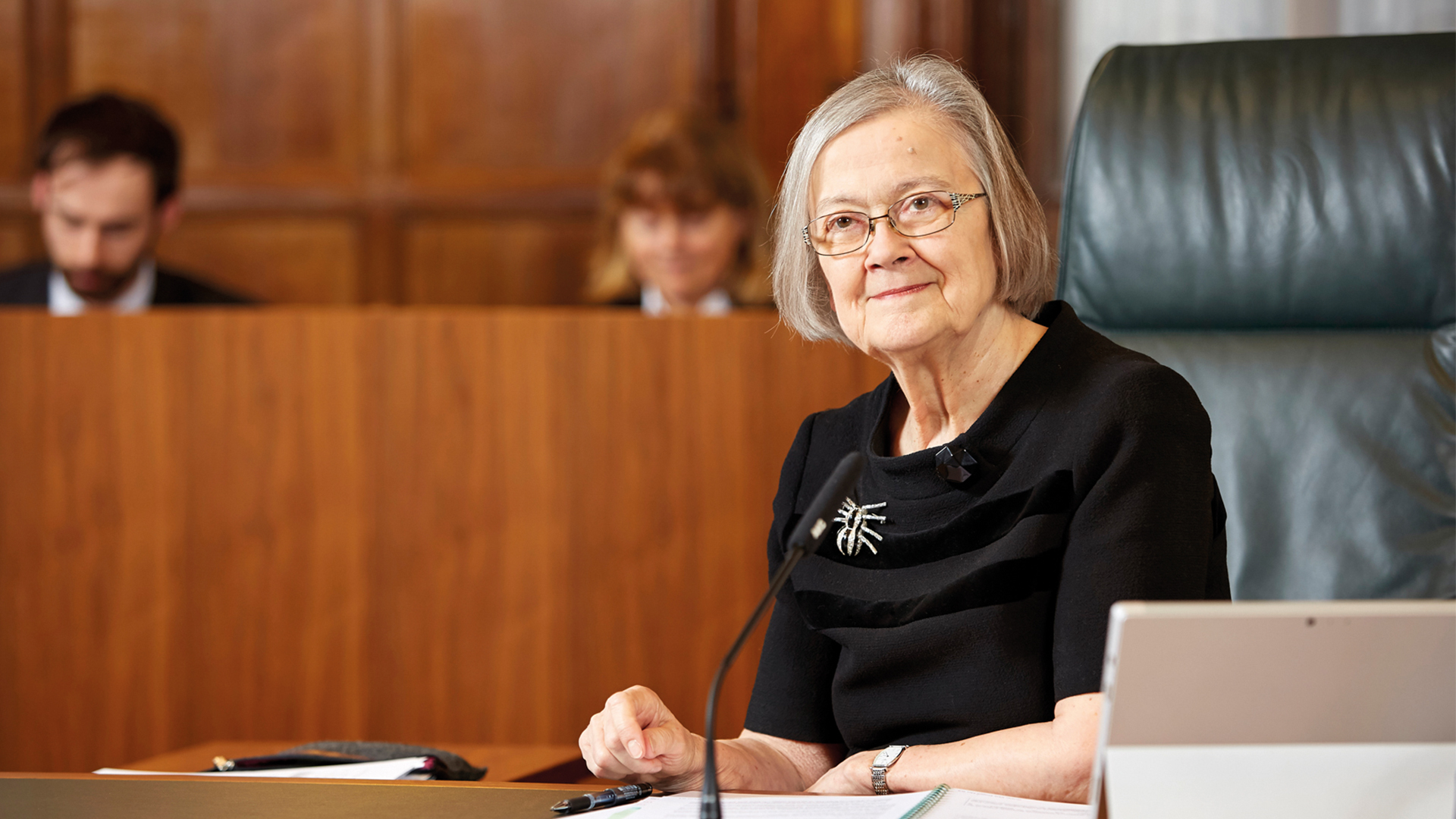
Baroness Hale was born in Leeds in January 1945. She was called to the Bar in 1969 and spent nearly 20 years in academia while practising as a barrister. In 1984, she became the first woman and the youngest person to be appointed to the Law Commission, where she oversaw critical reforms in family law and mental disability law. She was appointed a QC in 1989, and became a full time judge in the Family Division of the High Court of England and Wales in 1994.
She was the first woman to serve on the newly created Supreme Court, was appointed deputy president in 2013, and its president from 2017 to 2020.
In her Letter to My Younger Self, Baroness Halerecalls the aftermath of losing her father at a young age, and looks back at her career, balancing work and family.
I was a speccy swot when I was 16. I was starting on my A levels in the sixth form, and spending most of my time at my schoolwork. I did have friends, and I spent time with them, and of course, I spent time with my family, and I think I had a boyfriend then. I was reading some literature. I was very keen on Graham Greene. I was listening to Cliff Richard and that sort of jolly rock’n’roll. The Beatles arrived in 1963 when I was nearly 18, and that certainly changed things considerably. We were all listening to The Beatles.
My father died when I was 13, so obviously I did not have a continuing relationship except for happy memories. My mother was a trained teacher who’d had to give up work when she married my father because there was a marriage bar in the teaching profession in the 1930s. He was a headmaster of a boys’ boarding school, and she’d helped him by looking after the boarding house and doing some teaching in the school as well. And then he died very suddenly, unexpectedly, and so she dusted off her teaching qualification and got herself a job as the head teacher of the village primary school.
I had a very, very good relationship with my mother, whom we admired hugely for the courage and resilience that she had shown in getting over the devastating loss of our father. And she worked incredibly hard.
Advertising helps fund Big Issue’s mission to end poverty
Advertising helps fund Big Issue’s mission to end poverty
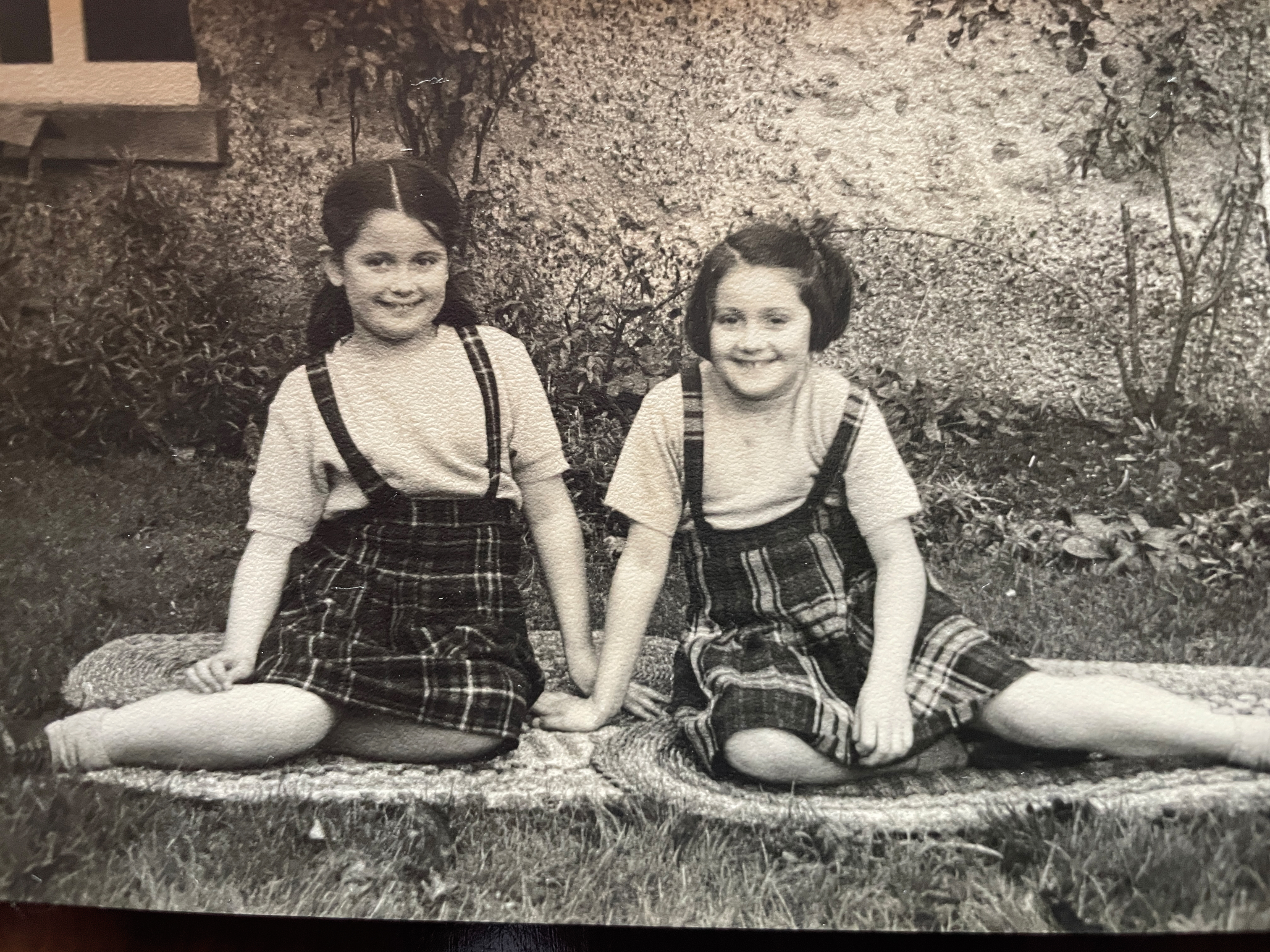
A childhood picture of Baroness Hale with her sister
Losing my father obviously had the immediate effect of huge grief and insecurity, wondering what was going to happen to us. There was talk of moving from the village where we had lived all our lives, and from the school that we were going to, and going down to Leeds, where my mother’s mother and sister lived. I think my mother was under some pressure to do that, but she didn’t want to. She wanted to retain her independence, which is why she did what she did. And I think in the long term, it taught both me and my younger sister the importance of education, of qualifications, of retaining one’s independence as much as one could.
I wanted to do very well at school. I wanted to go to university. This was an ambition that our parents had for all three of us, preferably Oxford or Cambridge. That was undoubtedly my ambition, and that’s what I was working so hard to achieve. I didn’t really know what I wanted in terms of a career. But I suggested law, not knowing very much about law. And instead of discouraging me, because very few girls went into the law, my head teacher said, “Oh, that’s a good idea. Let’s go with that.” And it turned out to be a very good idea.
The younger me would be astonished, absolutely flabbergasted, at the career that I have managed to have. Yes, getting to Cambridge was a big ambition. I managed to do that. I didn’t think I would do particularly well, because I had been a big fish in a small pond of a girls’ high school in a small town in North Yorkshire. So I thought I would sort of be trundling along in the middle or below the middle when I got to Cambridge. But it turned out I was very good at law, and I got a very good degree. So off I went and had a career which I would not have dreamt of when I was 16.
The younger me couldn’t imagine herself being the top judge in the United Kingdom. That would be a ridiculous thing to be imagining, because at that stage, there were no full-time women judges. In 1961 there was the odd part-time judge, but no full-time one. So the idea would have been pretty outrageous. I assumed I would become a solicitor, possibly in my hometown, possibly somewhere else in North Yorkshire.
I practised as a barrister and taught law at the University of Manchester for a few years. Then I decided to concentrate on the university for a variety of good reasons. Everything I did as an academic lawyer got me a public appointment of one sort or another. For example, my first book was on mental health law, and that got me an appointment presiding over mental health review tribunals, which decide whether people should stay detained in psychiatric hospitals. And then another book that I wrote got me invited to apply to become a member of the Law Commission. Then I moved to London and after nine years, they invited me to become a High Court judge. Then I had five years in the Court of Appeal, and then I was promoted to the top court in the United Kingdom.
Advertising helps fund Big Issue’s mission to end poverty
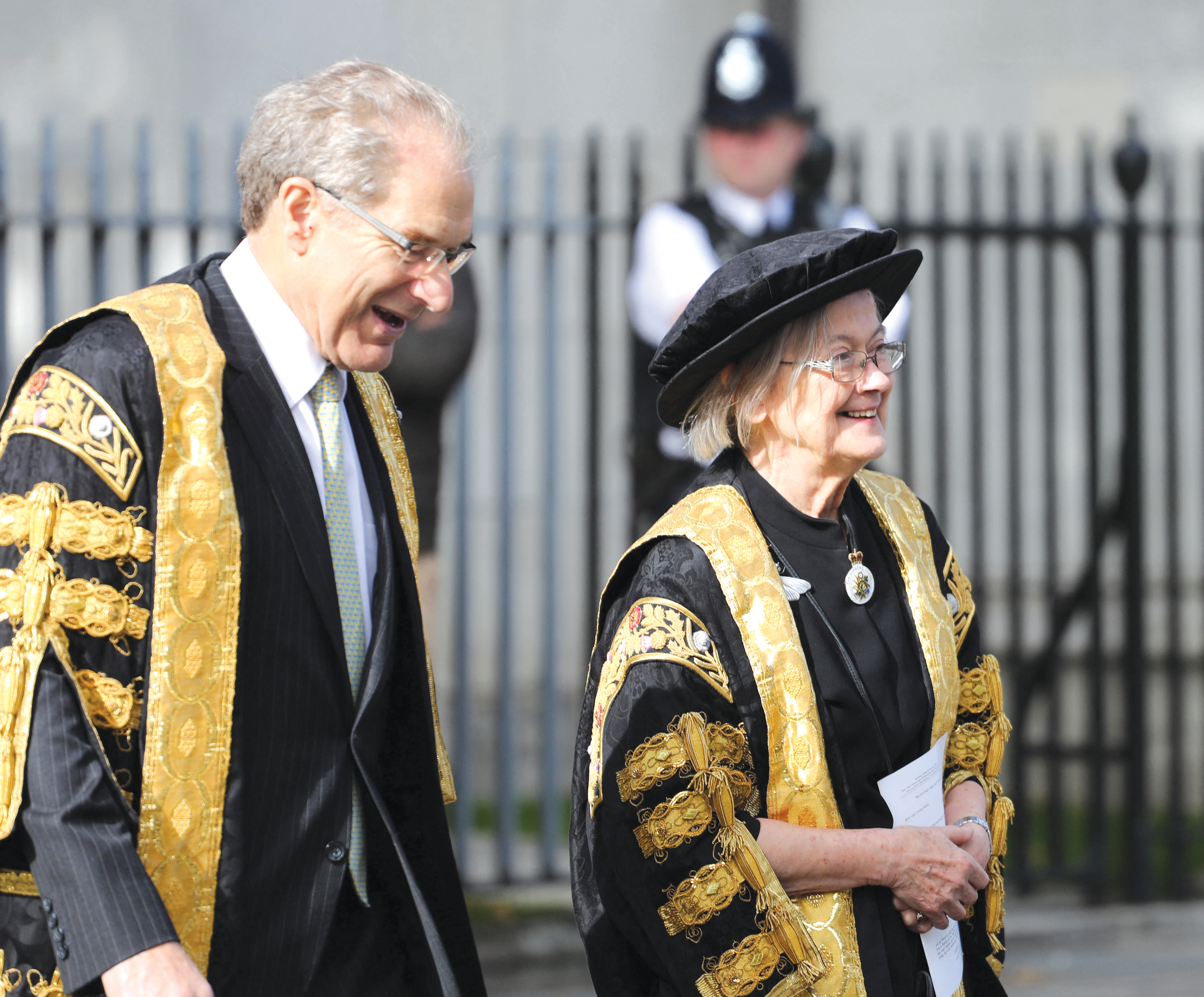
Lord Mance with Baroness Hale on the day she’s sworn in as the first female president of the Supreme Court. Image: Gavin Rodgers / Alamy
I married for the first time in 1968, before I started at the bar. I was teaching at Manchester University, and one of my reasons for not continuing as a barrister was that we wanted a family, and it’s much easier to combine university teaching with having a family. Although there are many wonderful women who do manage to do that, we decided that it would be better if I stuck with the university. And so, I had a daughter in 1973. I’m very proud of my daughter. She is now the CEO of the London Stock Exchange. She’s had a pretty successful career, and she’s still got, I’m sure, a way to go. I didn’t have any more children for health reasons.
It is hard to work and bring up children. You have to learn to be very efficient about everything. We were very lucky. We did have, to begin with, a nanny who lived in during the week; went home at weekends. She left when my daughter was two, and then we had somebody who came in during the day to look after her when she got home from school, and then I got home in time for bedtime. And of course, I spent as much time as I could working from home, which is another reason for being a university teacher, because one could put one’s teaching into two or three days and therefore spend the rest of the time working from home. My daughter always says that one of her earliest memories is going to sleep to the sound of my typewriter.
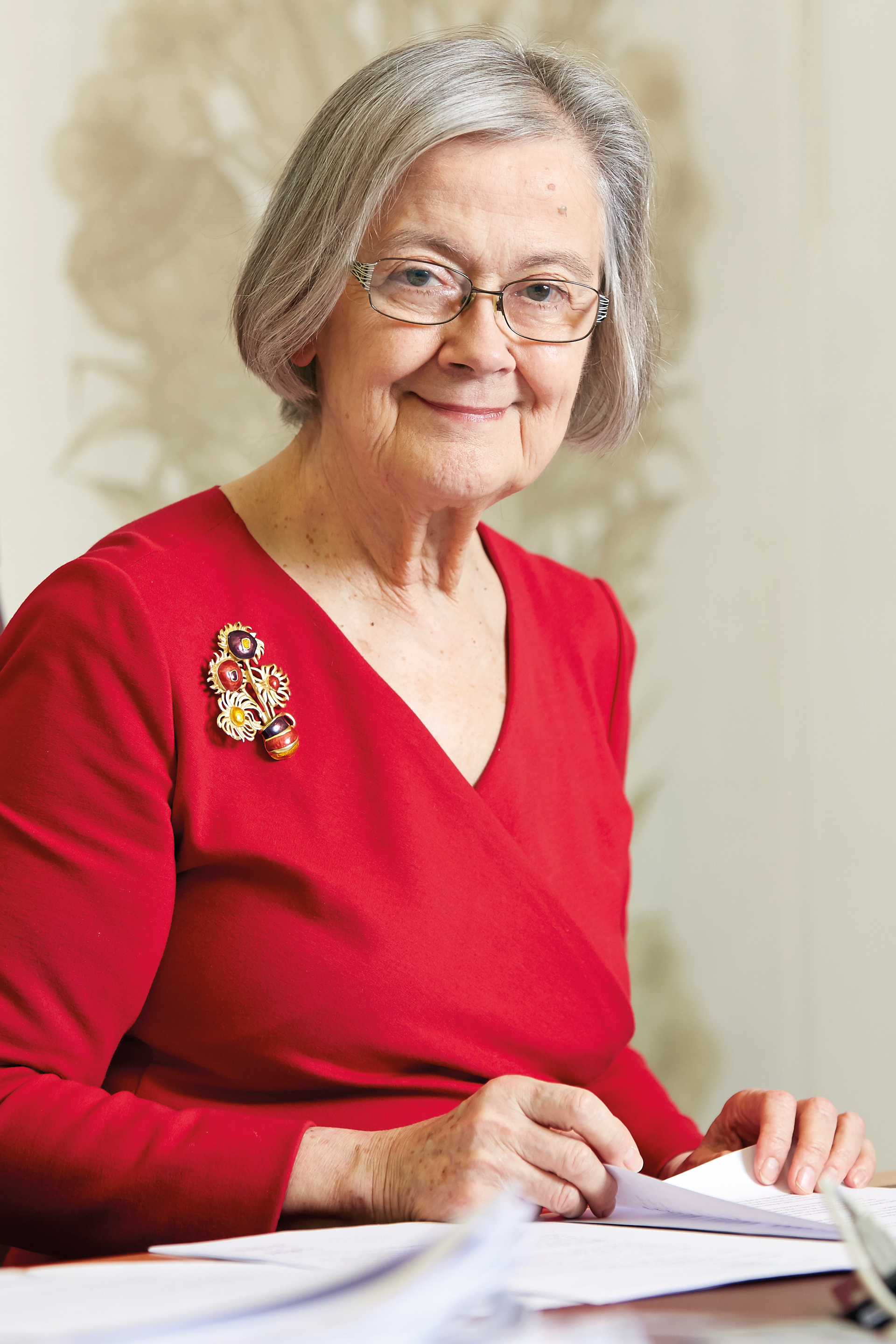
Image: Kevin Leighton
I’m proud of all sorts of things that I managed to achieve. I’m proud of some of the legislation that was passed as a result of our efforts at the Law Commission – the Children Act 1989 is the major example of that. Getting to one’s feet in court when you’re starting out is pretty testing, because you’re always worried that you’ll do the wrong thing, forget to ask the right question, and ask the wrong question, all of those sorts of things. It’s very in your face, being a barrister. You can put a foot wrong and harm your case in a way that you really didn’t mean to do. And then as a judge, some cases are not too difficult to decide, but you’ve got to do them right. Some cases are very difficult to decide because there is no easy answer. So it’s been testing pretty well all the way.
The surprise to me, I have to say, is reaching the age of 81, because only one of our grandparents reached the age of 80. As I said, my father died when he was 49, my mother died when she was 73. We’re not a long-lived family, so it’s a matter of enormous surprise to me that I’m still here.
If I could have one last conversation with anyone it would be my mother. She died before the major successes in my life. And I think she would like to know how all her children’s lives have progressed after her death. I’ve had a pretty amazing life, and I’d want to have her reaction to it, to see what she thought about it. She was very encouraging to her children, but she wasn’t uncritical. So there may be things that she would want to say in return, which would be interesting.
There are loads of times I’ve been incredibly happy. I was incredibly happy on my 81st birthday recently [31 January], and I had a lunch party with some of my dearest friends and family, and we all had a lovely time. I’ve had quite a life.
Advertising helps fund Big Issue’s mission to end poverty