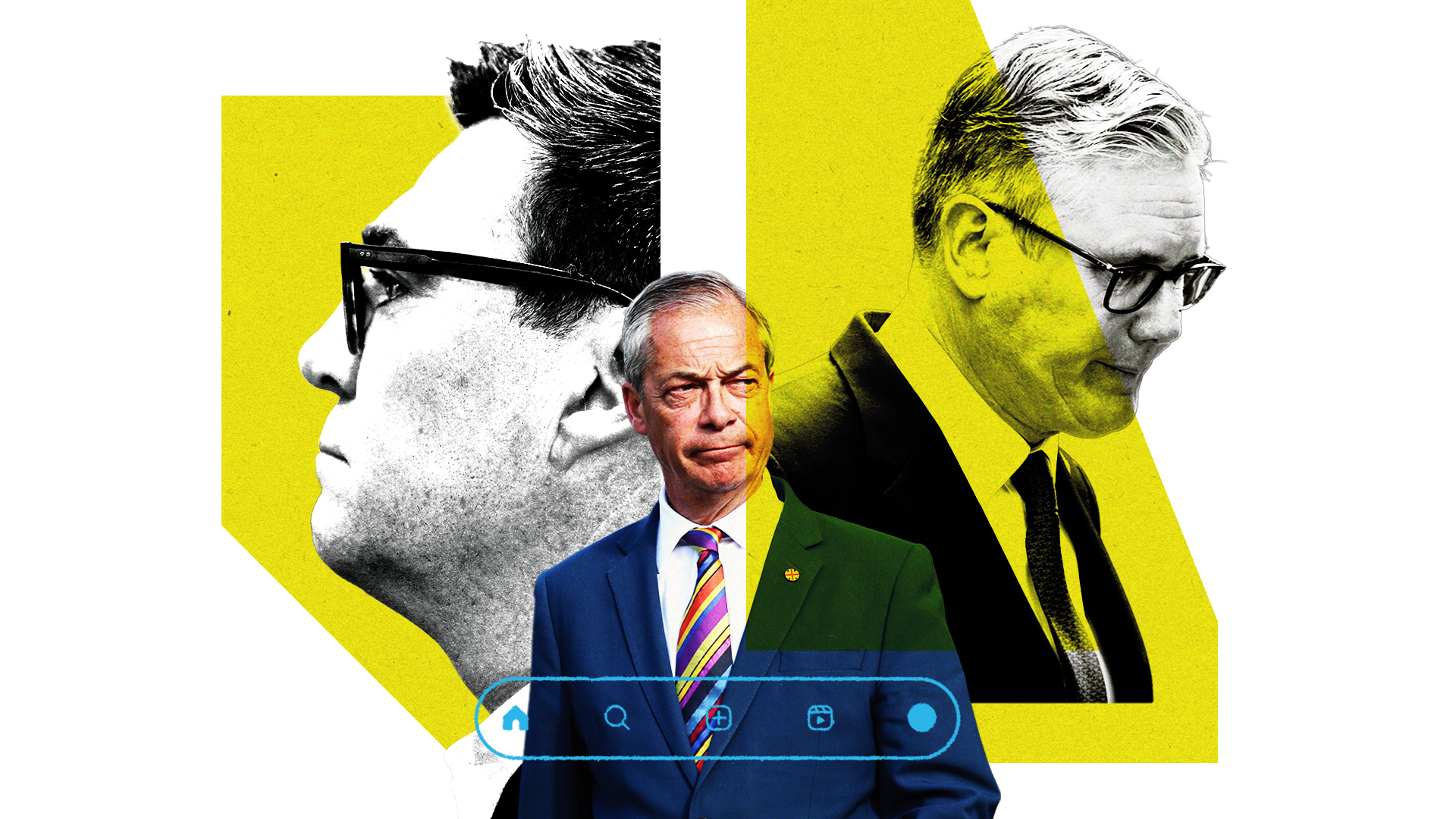
Then there’s Restore Britain. A fringe party set up by eccentric ex-Reform MP Rupert Lowe after he fell out with Farage, it’s seen surprising success for a group with virtually no infrastructure. Despite never campaigning in the area before, they came third in the Makerfield by-election last month thanks to a strong digital campaign and Lowe’s more than two million followers across Facebook and X. This month, Lowe also became the first British politician to appear on The Joe Rogan Experience, the world’s biggest podcast.
Jayden Palmer, a 19-year-old former Reform UK council candidate and political influencer, says it’s no surprise that right-wing insurgents have found success online; because of their bold policy platforms and the ability to circumvent the mainstream media, which he sees as biased and dull:
“We wouldn’t have done nearly as well without social… but the only reason it has worked is because of our policy platform as well,” he says. ”We’re not scared to go a bit out of bounds and just say what most of the public is thinking anyway. The combination of that cut-through language, bold policies, and social media has worked really well.”
Read more:
We can debate whether Reform say what the public is thinking, and whether their words are more than “a bit out of bounds”, but there’s no way the party would have become the movement it is today without social.
Opportunities aren’t one sided though. Attacks from right-leaning newspapers have long been a sore for left-leaning politicians; a sore which social media allows them to take less seriously as they can connect with voters directly, and through a growing ecosystem of left-of-centre political influencers who are increasingly shaping our politics.
Advertising helps fund Big Issue’s mission to end poverty
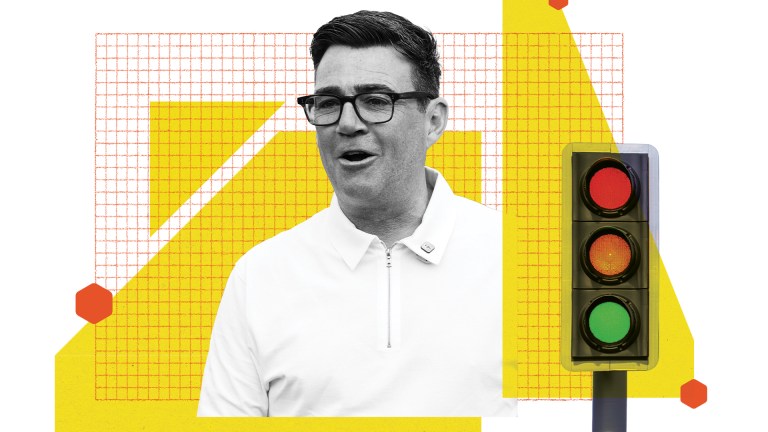
According to Marina Purkiss, who shares her unvarnished views with over 600,000 followers across Instagram, X and BlueSky, this community are becoming just as important to politicians like Burnham as the traditional media.
“There are more and more commentators on the left, and we’re getting a bigger platform, because people are sensing a void that’s missing from our press,” she says. “Andy Burnham can tap into that.”
Purkiss believes he’s started strong, both with his own content – he “feels like one of us” – and by engaging with prominent online supporters like her to get them on side.
“I actually slid into his DMs and told him not to balls this up,” she admits. “He came back to me and said, ‘I’ll try not to do that, Marina!’
“My day job is in marketing, and the clever brands are engaging with the biggest voices in their industries… You need to win over the people who have the ear of those that aren’t going to be tuning into the Six O’clock News or picking up the paper on their way home from work.”
Younger voters are driving much of this change: 18- to 24-year-olds are the least likely age group to vote, and the most likely to get their news from social media, so reaching them online offers untapped potential for vote-hungry politicians.
Advertising helps fund Big Issue’s mission to end poverty
It’s a volatile business, though. With so much content at their fingertips, the young will only watch something they really connect with and don’t want to feel sold to.
“It needs to be genuine” says Purkiss. “The moment people start to see that it feels inauthentic and contrived… it falls apart.”
Jayden Palmer agrees, explaining that people want content to pack a punch.
“I try and make my content as emotionally captivating as possible, while also making it simple to understand,” he says. “I think a lot of politics is so blaringly overcomplicated, when really it should be simplified down to the basics.
“When you go on Instagram, you see the person, you get the relatability behind whoever’s giving their opinion, you also get the comment section where you can engage deeply with other people who are interested. The mainstream media doesn’t even touch this in the slightest.”
But social media is increasingly being used by politicians to avoid journalistic scrutiny, strip nuance from debate and whip up anger.
Advertising helps fund Big Issue’s mission to end poverty
“Some politicians have used social media to get away with spreading misinformation, spreading hate speech, or to just, as we’ve heard Donald Trump’s advisers putting it, flood the zone with shit,” says Wahl-Jorgensen.
Certain political figures are “putting loads of loads of stuff out there and are almost disorienting the public rather than orienting them towards the issues that really matter in political life”, she adds.
But “at least it’s an entry point to get people in”, counters Purkiss, who concedes that social content can be polarising and nuance can “get lost”.
Palmer believes it’s everyone’s duty to fact check the content they’re consuming and ensure they understand both sides of an argument.
“The whole point of democracy is that we have as many opinions as humanly possible, and then it’s your own personal responsibility to educate yourself,” he explains.
Wahl-Jorgensen insists there’s still a place for traditional media too, in a fact-checking capacity for political parties’ online claims.
Advertising helps fund Big Issue’s mission to end poverty
“We need to think about news almost as a public good, similar to water or clean air, as the public needs to have access to good-quality information,” she says. “Ideally news should be subsidised in a similar way to other public utilities to say this is something that is really essential.”
Do you have a story to tell or opinions to share about this? Get in touch and tell us more.
Change a vendor’s life.
Buy from your local Big Issue vendor every week – and always take the magazine. It’s how vendors earn with dignity and move forward.
You can also support online:
Subscribe to the magazine or support our work with a monthly gift. Your support helps vendors earn, learn and thrive while strengthening our frontline services.
Thank you for standing with Big Issue vendors.
Advertising helps fund Big Issue’s mission to end poverty