So, two aspects of the NHS. I’m sorry to see such a dichotomy. Of course it’s obvious that A&E will try and fill the gap left by the ending of the unit. Doctors’ surgeries and local authorities will suffer an increased burden, as will, of course, the police who often have to pick up the damage created when budgets shrink. The streets and the public will resound to the troubled resorting to pavements rather than a place where their illnesses can be addressed.
In some ways it reminds me of the madcap closure of mental institutions of the 1980s by the Thatcher government when they laughingly introduced an underfunded and understaffed programme called ‘Care in the Community’, which quickly proved it didn’t care in the community. Admittedly the mental institutions left a lot to be desired. But emptying people into the community was a crackpot money-saving plan.
Needless to say the streets filled up, the prisons filled up and the hospitals filled up with people with mental health problems. Our general street neglect levels increased. And of course mixed in with other people made homeless through job loss or leaving the armed forces, you have the present reality that streets are the place where we leave the unsolved social crises of today.
Read more:
Once, before Covid hit, I spoke to a fellow parliamentarian about something that bugged him. He said the government at the time was delaying the need to introduce more doctors into the health system. We were failing the NHS and thereby failing the sick and needy. Doctors, of course, need to be paid for out of the national budget that the government has at its disposal. If a doctor can be trained and put to work in the health service then all well and good. But aside from training more doctors, more income has to flow to the government to pay for increased doctoring.
Where does the income come from? Largely from the taxes of taxpayers. Borrowings may help but eventually it is the health of the tax system itself that needs to bear the cost of the extra doctors. The robustness of the taxpayer is relied on, the ability to pay more, if necessary, for the increasing number for health workers.
Advertising helps fund Big Issue’s mission to end poverty
But most of us believe there are enormous holes in the tax-paying system that sees incredibly wealthy businesses and individuals getting away with minimum tax hits. The current government could do us all a favour by looking carefully, and transparently, at what seems to be this big hole in tax collection. It suggests that government looks the other way because of the power of companies and individuals to hide what they earn and owe.
But aside from this constant fear that the rich are pulling the wool over our eyes there is the low-wage economy that we live in. A low-wage economy that is also a low-investment economy. An economy where virtually all of the new jobs created by the new economy of the 21st century provide low wages. These new jobs create workers who don’t make the money to bear a heavier tax burden, to pay for that new doctor.
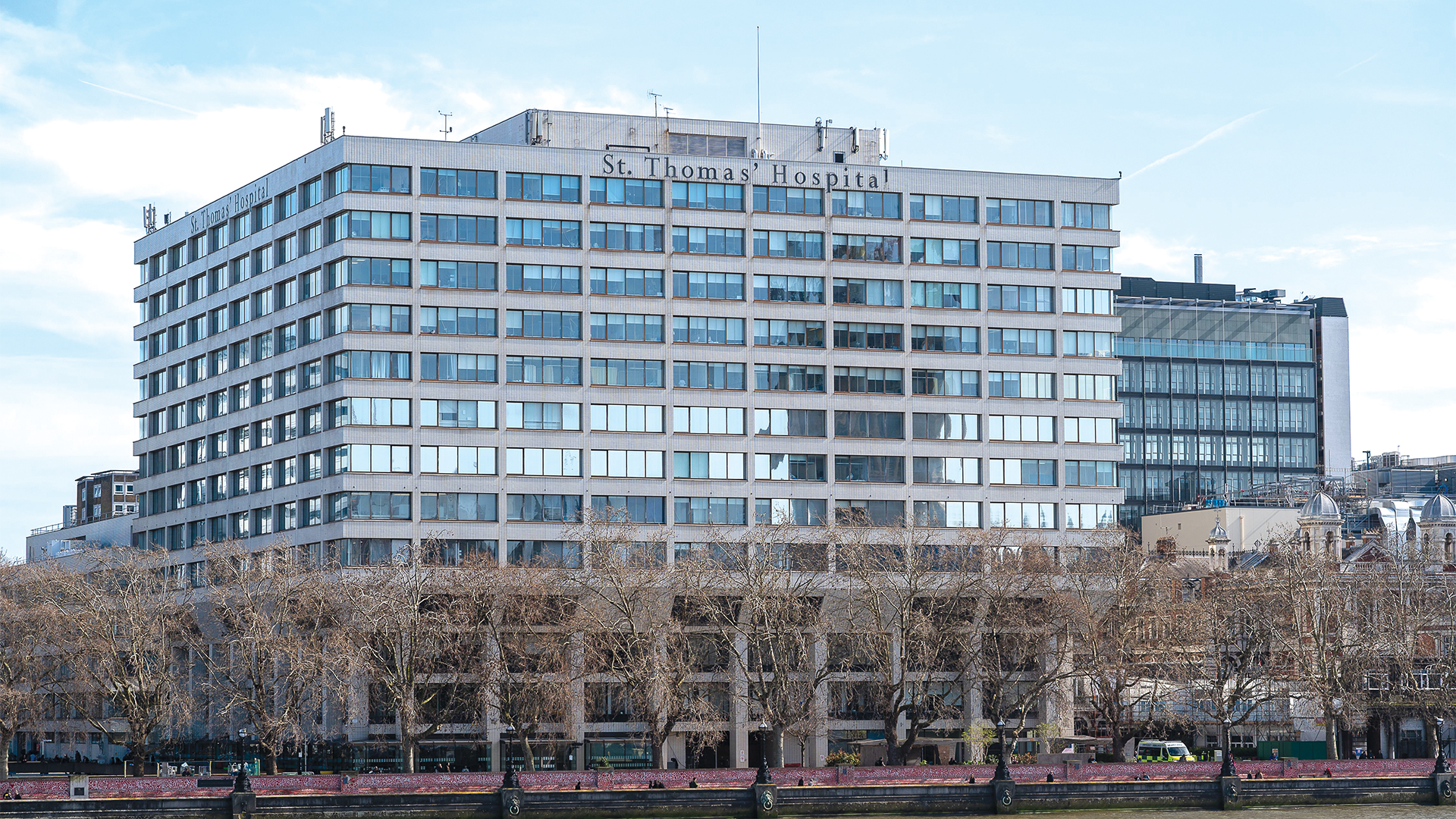
So economies have to be made by St Thomas’ Hospital that currently provides a Rolls-Royce service for homeless people who suffer from the illnesses of addiction. Sod the future damage caused by not providing the service. Sod the damaged minds and bodies, because it’s money that decides.
When my fellow parliamentarian pleaded for more doctors I suggested it might not be a lack of doctors but a question of too many patients. He was appalled at my suggestion that you could look at the shortage of supply differently.
My brother’s last years showed how brilliantly the NHS could be with some of its patients. The St Thomas’ drug and alcohol unit has provided likewise an endorsement of their useful work. But alas government have yet to wake up to the stupendous levels of damage done to society by the larger number of people in poverty. Poverty is often a precursor to growing health issues.
Our pride and joy, though increasingly eroded, is the NHS. But to have a well-functioning NHS you can’t make it the last resort for people in poverty. Where you try and keep the poorest amongst us as healthy as possible. Government has to develop a poverty-breaking programme that helps skill people away from poverty. That breaks the inheritance of poverty. That reduces the increase in people made ill by living in poverty, unable to feed themselves adequately. That puts pressure on the NHS and guarantees the need for more doctors.
Advertising helps fund Big Issue’s mission to end poverty
Also, the government could do us all a big favour by explaining why the richest amongst us can hide their earnings so successfully.
Do you have a story to tell or opinions to share about this? Get in touch and tell us more.
Change a vendor’s life.
Buy from your local Big Issue vendor every week – and always take the magazine. It’s how vendors earn with dignity and move forward.
You can also support online:
Subscribe to the magazine or support our work with a monthly gift. Your support helps vendors earn, learn and thrive while strengthening our frontline services.
Thank you for standing with Big Issue vendors.
Advertising helps fund Big Issue’s mission to end poverty